
Key points
- The "UFO Village" (UFO no Sato) is in Iino-machi, Fukushima City, built around Mount Sengamori, a cone-shaped hill about 462.5 meters high.
- The UFO Fureai-kan museum opened in November 1992 and holds about 3,000 UFO-related items.
- The "International Unidentified Flying Object (UFO) Research Institute" opened on June 24, 2021. Its first director is Takeharu Mikami, editor-in-chief of the Japanese mystery magazine Mu.
- At the end of 2021, the institute published what it calls the world's first rating standard, which scores sightings on two axes: CLEAR Level and MYSTERY Level.
- The institute itself considers most of the reports it receives likely to be misidentifications. Its rating is a yardstick for calm sorting, not "proof of UFOs."
In Iino-machi, Fukushima City, Fukushima Prefecture (in northeastern Japan), there is a "UFO Village" built around Mount Sengamori, a hill where many UFO sightings are said to occur. It has the UFO Fureai-kan museum and the "International Unidentified Flying Object (UFO) Research Institute," which analyzes sighting reports, and it has become a themed spot for tourism and learning. This article uses the official website and Fukushima City's public information to set out the basic facts about the facilities and what the institute does.
The name "UFO Village" makes an impression, but "unidentified" here means something has not been identified. It does not mean extraterrestrial. The institute, too, classifies reports on the assumption that many of them may be misidentifications. This article takes the same position and plainly sets out only the facts that can be confirmed.
Mount Sengamori and the "UFO Village"
Mount Sengamori rises to the north of the Iino-machi district of Fukushima City. It is an almost perfectly cone-shaped hill 462.5 meters (about 1,517 ft) high. Its neat shape catches the eye, and the area at its foot has been developed as the "UFO Village."
According to Fukushima City's public information, many sightings of glowing flying objects have been reported in the Iino district, and this is described as the background to creating the "UFO Village." There is no firm conclusion about what these sightings were, and other explanations, such as natural phenomena or misidentified artificial objects, are possible.
| Item | Details |
|---|---|
| Location | Iino-machi (Iino district), Fukushima City, Fukushima Prefecture |
| Height of Mount Sengamori | About 462.5 meters (a cone-shaped hill) |
| Main facilities | UFO Fureai-kan museum, UFO local products shop, Panorama restaurant, Sengamori Park and more |
| Research body | International Unidentified Flying Object (UFO) Research Institute (inside the museum) |
A note on terms
What is the UFO Fureai-kan?
The UFO Fureai-kan ("fureai" means contact or encounter) is an exhibition facility that collects UFO-related books, photos and video materials. It opened in November 1992. Its collection is said to number about 3,000 items, and it is rare in Japan as a public facility with a UFO theme. When Iino-machi merged into Fukushima City in 2008, it was renamed from its original name, the "Iinomachi UFO Fureai-kan."
Besides exhibits, the museum has hands-on features such as a 3D theater, as well as light meals and a bath with a view. Toward the summit there is also a lookout point called the "UFO Contact Deck."
- Holds about 3,000 UFO-related books, photos, videos and other items
- Opened in November 1992 (called the "Iinomachi UFO Fureai-kan" before the merger)
- Has a 3D theater, a local products shop, the Panorama restaurant and more
- Sits at the trailhead of Mount Sengamori, so a visit can be combined with a walk
The UFO Research Institute's rating system
On June 24, 2021 ("UFO Day"), the "International Unidentified Flying Object (UFO) Research Institute" opened inside the UFO Fureai-kan. Its first director is Takeharu Mikami, editor-in-chief of the Japanese mystery magazine Mu. The institute says it collects and analyzes sighting reports from around the world and announces its findings every year on June 24.
What draws attention to the institute is that it does not simply collect sighting reports but classifies them using its own rating standard. The standard was published at the end of 2021, and the institute calls it the "world's first." It rates reports on two axes: "CLEAR Level," which shows how clearly the subject is captured, and "MYSTERY Level," which shows how hard it is to explain by Earth's science or natural phenomena.
Importantly, the institute itself considers that many of the reports it receives are likely misidentifications, for example caused by lens reflections (flare). In other words, the rating is used not as "proof that it is a UFO" but as a yardstick for sorting information calmly. The institute reportedly received more than 200 sighting reports with photos or video in the first few months after opening.
| Axis | What it shows |
|---|---|
| CLEAR Level | Clarity and resolution of the sighting report (photo or video) |
| MYSTERY Level | How hard it is to explain by Earth's science or natural phenomena |
The idea behind the rating
Tips for visiting
The UFO Village is a place where you can combine a museum visit with a walk on Mount Sengamori. Before you go, we recommend checking the latest opening hours, closing days and fees on the official website or Fukushima City's visitor information (in Japanese).
Events are sometimes held around "UFO Day" on June 24 each year, and in some years the institute reports on its activities. Check the official announcements for the latest event information.
- 1Check opening hours, closing days and fees in the official information beforehand
- 2Plan the museum visit and a walk on Mount Sengamori together
- 3Check announcements for events around "UFO Day"
- 4Exhibits include entertainment-oriented content, so view facts and presentation separately
Don't just look: identify for yourself
The UFO Village and the institute rest on an attitude of "enjoying what is unknown while classifying it calmly as far as possible." The same goes for a light you see in the sky: the starting point of identification is to check familiar possibilities first, such as satellites, aircraft and planets.
The UFO Kanteishi (certified UFO analyst) Exam lets you learn these identification basics step by step. Grade 3 is free and needs no sign-up, so use it as a way to try out for yourself the kind of thinking behind the institute's rating axes: "how clear is it" and "can it be explained."
FAQ
Where is the UFO Village?+
It is in Iino-machi (Iino district), Fukushima City, Fukushima Prefecture, Japan. Facilities such as the UFO Fureai-kan are built around Mount Sengamori, a cone-shaped hill about 462.5 meters high.
When did the UFO Fureai-kan open?+
It opened in November 1992. It is a themed exhibition facility holding about 3,000 UFO-related books, photos, videos and other items. It also has hands-on features such as a 3D theater.
What does the UFO Research Institute do?+
The International Unidentified Flying Object (UFO) Research Institute, opened on June 24, 2021, collects and analyzes sighting reports from around the world and classifies them using its own standard. Its first director is Takeharu Mikami, editor-in-chief of the magazine Mu.
What is the institute's rating system?+
It rates sighting reports on two axes: "CLEAR Level," which shows how clear the information is, and "MYSTERY Level," which shows how hard it is to explain. The institute calls it the world's first such standard and sorts reports on the assumption that many are likely misidentifications.
Is there anything to keep in mind when visiting?+
Opening hours, closing days and fees may change, so check the latest information on the official website or Fukushima City's visitor information before you go. Events are sometimes held around "UFO Day" on June 24.
UFO Kanteishi Exam, Grade 3
Free, no account needed. 20 questions on observing, recording and cross-checking. Pass and get a certificate with a verifiable number.
To become a Licensed UFO Kanteishi, take Grade 2 (Official Guide + exam).
Related reading
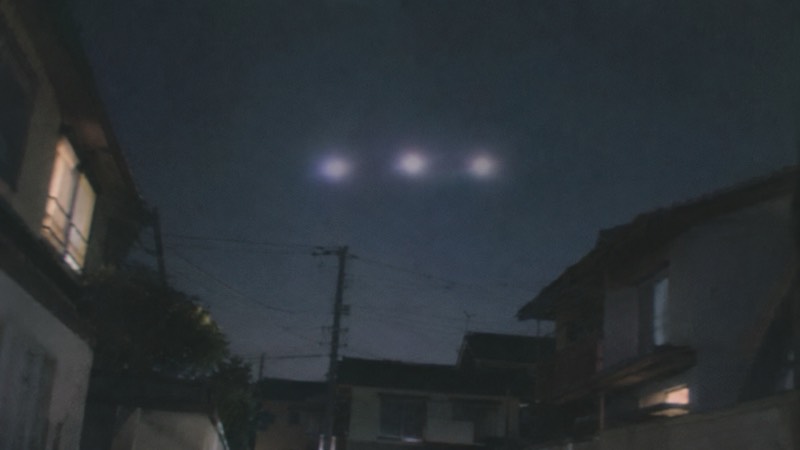
Japan's Three Great UFO Incidents
The Kofu, Kera and Nikoro incidents, with both sides laid out calmly, including skeptical assessments. A guide to reading primary sources.
Read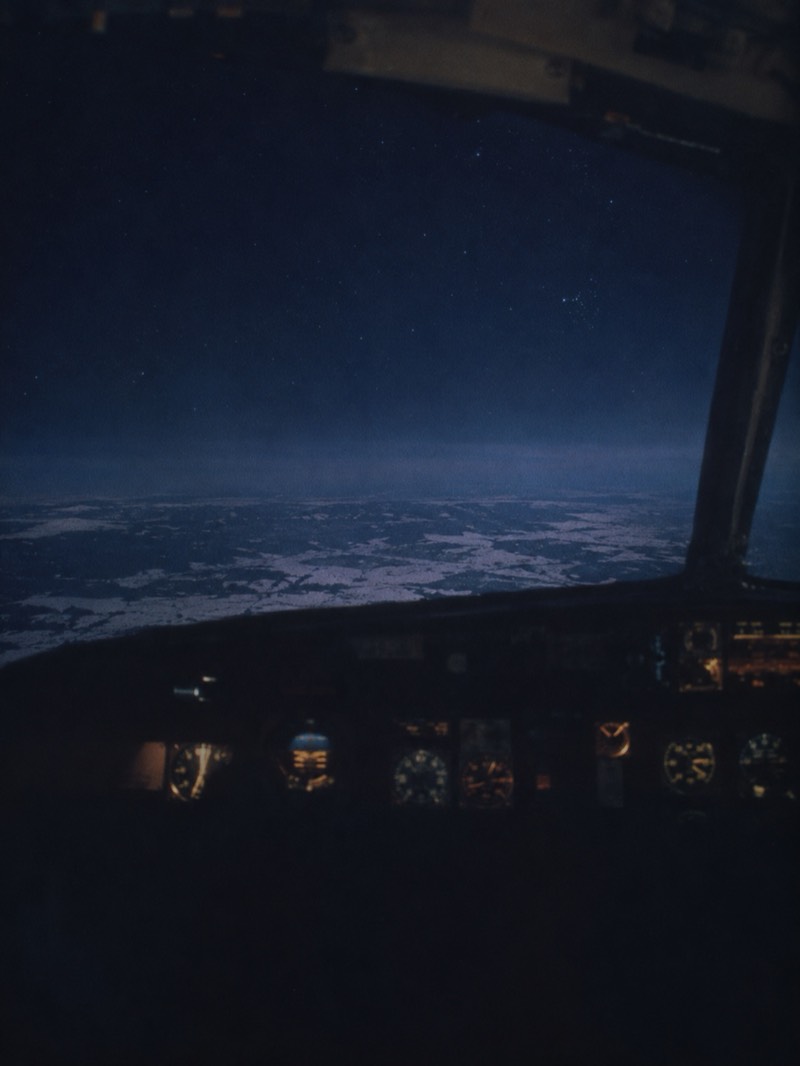
The JAL Flight 1628 UFO Incident (1986)
A JAL crew reported watching an object over Alaska for about 50 minutes. The FAA investigated without a conclusion. The facts, including the planet theory.
Read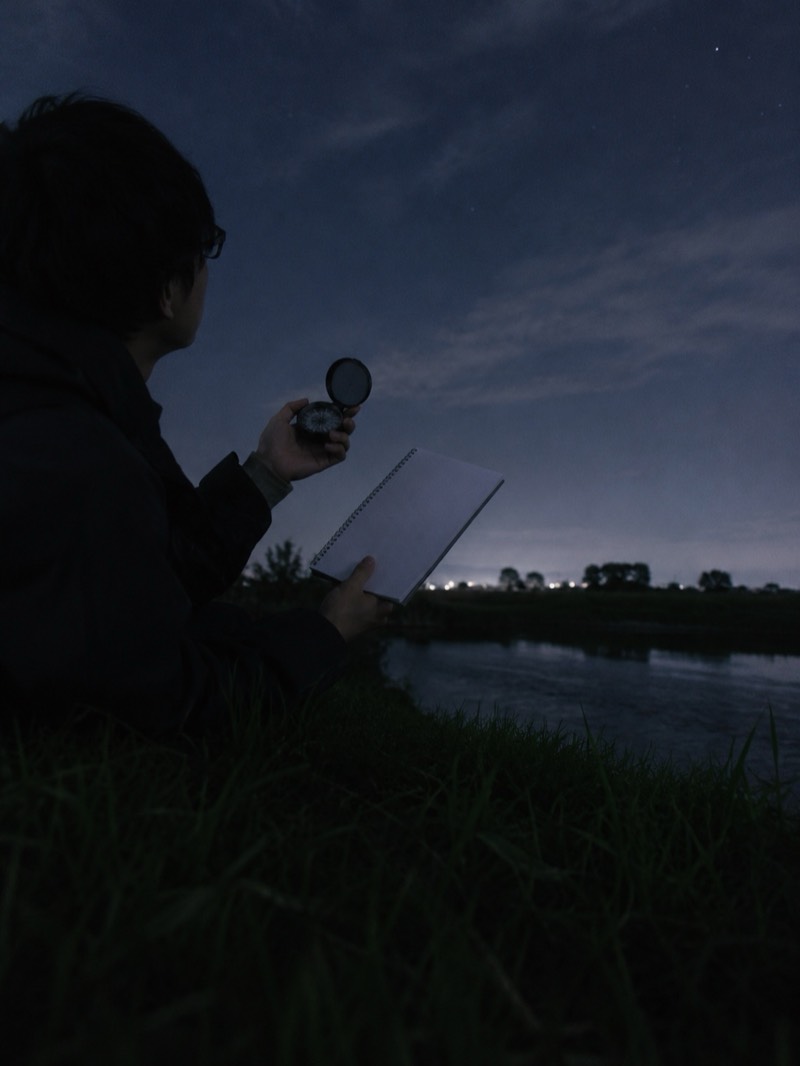
5 Things to Check About a Light in the Night Sky
Five observation points for identifying lights in the night sky. Based on NAOJ's list, a step-by-step guide and table for planets, satellites, contrails and more.
ReadUFO vs. UAP: the difference
Read
Where Shikoku's "UFO Line" Got Its Name
Where Shikoku's "UFO Line" ridge road runs, and how its name, once the "Yuho Line," connects to stories of mistaken photos, on the facts.
Read